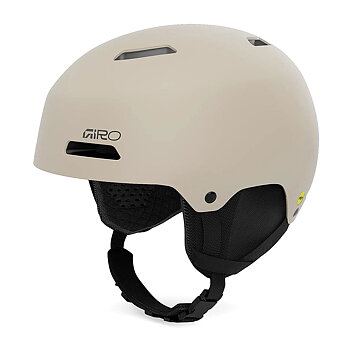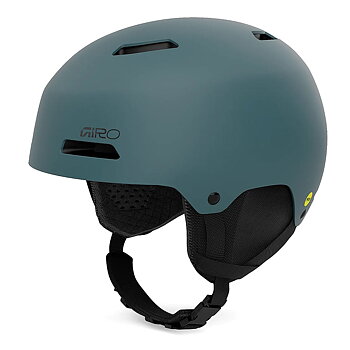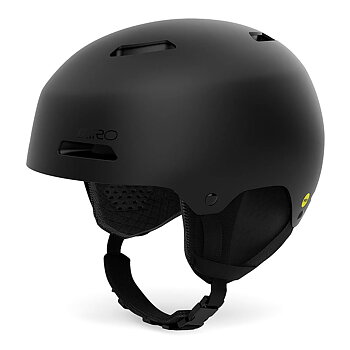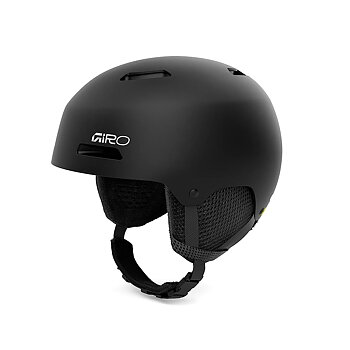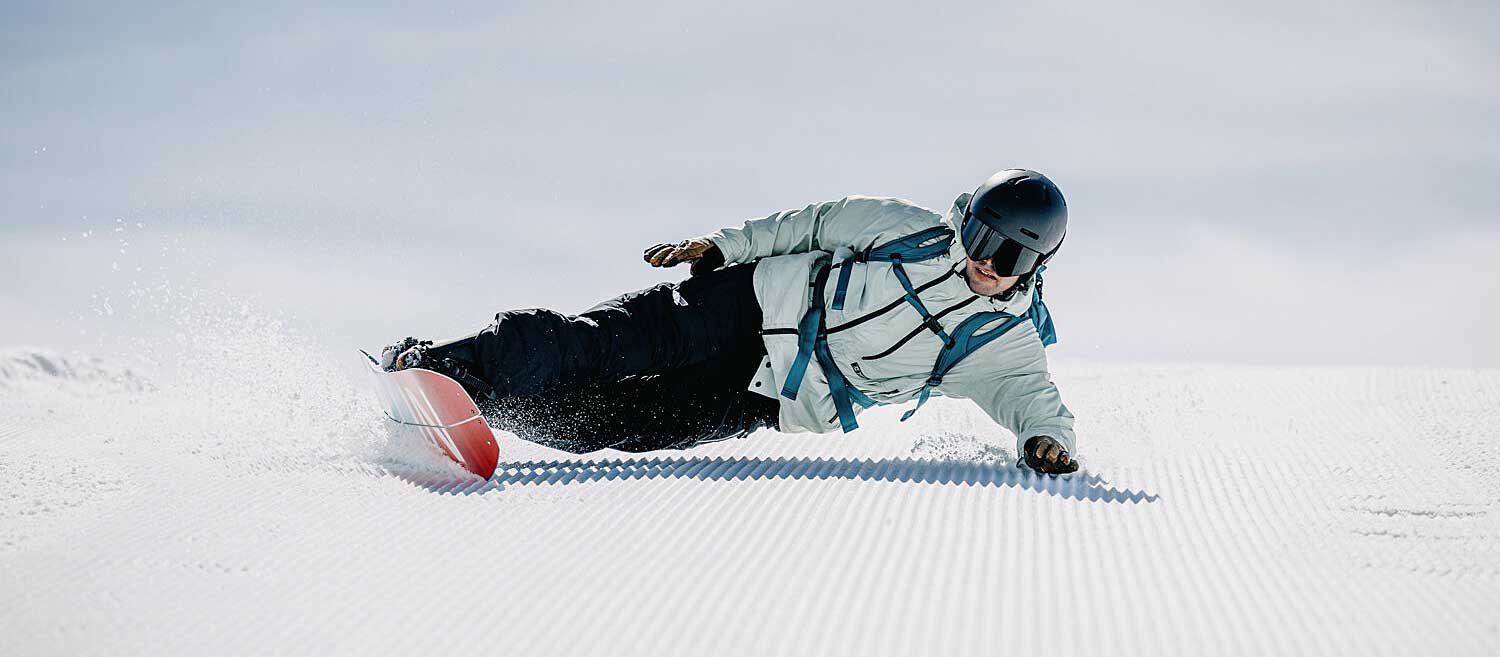
Buying Guide - Snowboard Helmet
Choosing the Right Snowboard Helmet
If we rewind time 30 years back to the cheerful 80s, we remember many golden moments. Music had its heyday, Saab 900s were cruising the roads, Queen played at Live Aid in England, and Lasse Åberg's Snowroller had the Swedish people drooling over skiing in the Alps. However, there is a special safety equipment today that barely existed in the 80s and that we absolutely do not see in Snowroller. We are, of course, talking about the helmet.Helmets have finally become more popular in ski slopes in recent years, and it is becoming increasingly rare to see people without helmets, which we think is incredibly positive. Who wouldn't want to protect the most important thing we have on our bodies?
There are a billion different snowboard helmets on the market, and it can be difficult to find a snowboard helmet that suits your taste and feels comfortable on your head. You should think it looks good, but most importantly, it should fit well on your head. If it doesn't fit well on your head, it serves no purpose and will likely be left in the cabin. There is really no sensible reason to ski without a helmet today because helmets have become incredibly good. They are safe, stylish, warm, and lightweight. We promise there is a snowboard helmet for everyone out there!
How do I find a helmet that fits well on my head?
The first step is, of course, to measure your head so you know what size you need. The easiest way is to use a measuring tape and measure the circumference of your head. Hold the measuring tape at the widest points, usually just above the eyebrows and ears. If you don't have a measuring tape, you can use a piece of string and then measure it with a ruler or similar. The process is the same when measuring your child's head if you're looking for a child's snowboard helmet.
Today, helmets are very warm, and you can usually get by without wearing a hat under the helmet. If it's really cold, we recommend using a thin liner under the helmet, as a hat can affect the fit and function of the helmet. You should buy a helmet based on the size of your head and not worry about whether a hat will fit.
Helmets usually come in sizes Small, Medium, Large, X-Large, and XX-Large. Different helmet manufacturers may label sizes slightly differently, but the most important thing is to go by the specified centimeter measurement in the size chart.
A smart feature on today's helmets is that they often come with a size adjustment in the back of the neck, a BOA solution, or something similar. BOA is a dial that you can turn to tighten the helmet further if needed. A smart solution to make the helmet fit better on your head.
How does MIPS work, and what is it?
You have probably heard of the MIPS brand in recent years or seen the yellow logo on different helmets. The yellow logo is appearing more and more in various sports contexts.
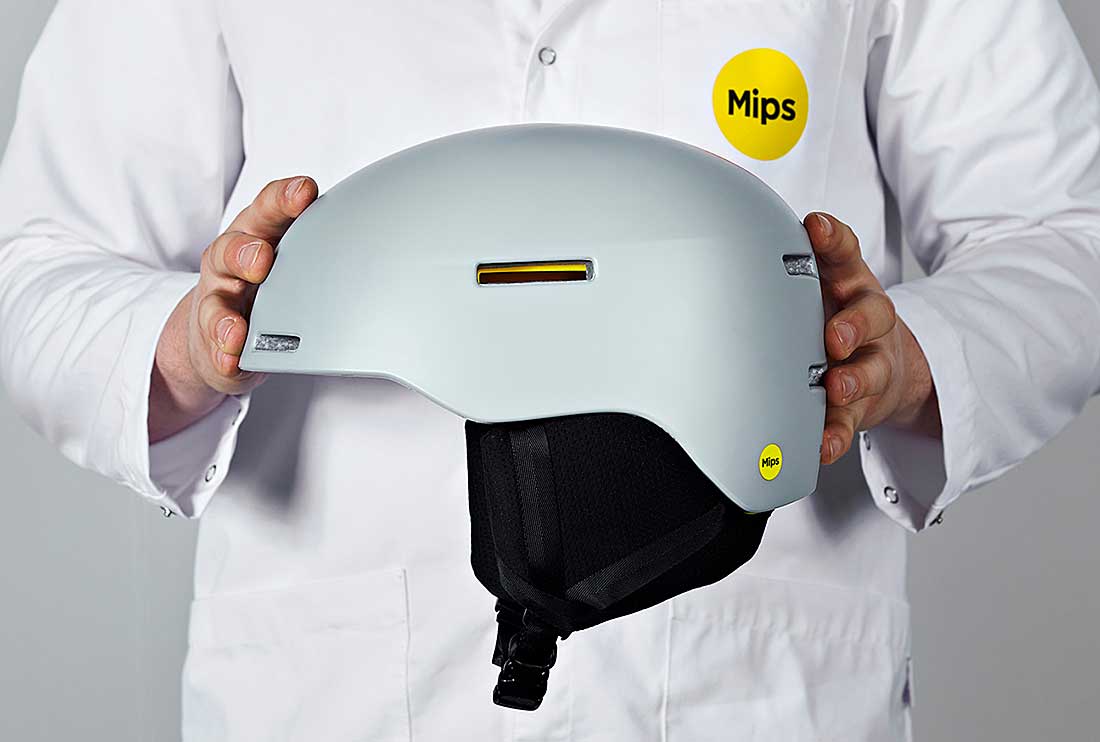
But what is MIPS really?
MIPS stands for Multi-Directional Impact Protection System and is a company that specializes in a kind of rotational technology that counteracts head injuries.
MIPS started by looking at how the brain is situated in the skull and concluded that the best approach would be to create a protection system that works just like the brain's own protection. The brain is not fixed in the skull but is in a kind of fluid to allow the brain to move slightly inside the skull.
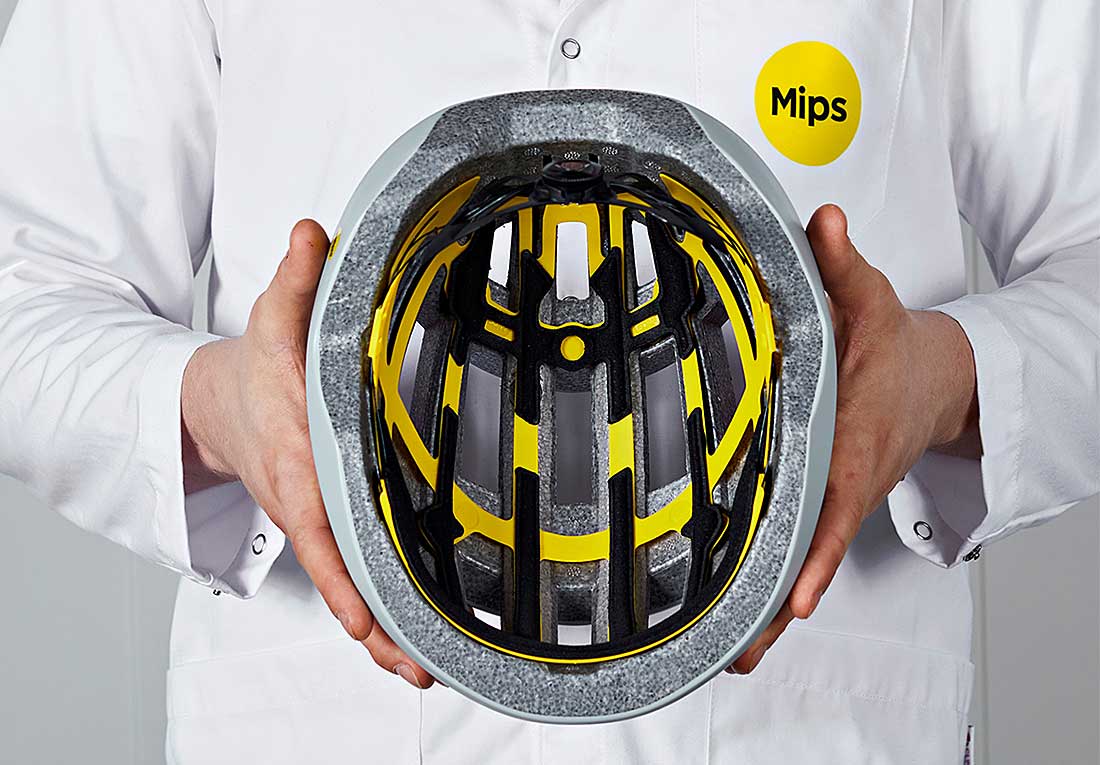
MIPS works essentially the same way. A protection system that is not completely fixed to the helmet shell but moves in all directions, a kind of rotational protection that reduces the force on the head. Most impacts do not occur directly from above or in a straight line to the head. When you fall on a ski slope, impacts on the head usually happen at an angle, which means that a helmet without MIPS cannot absorb impacts as effectively as a helmet with MIPS. It's simply an extra safety feature inside the helmet. When accidents happen and your head hits the ground, MIPS helps reduce the energy from the rotation associated with the impact on the head. Think of it as the airbag in a car, an extra safety measure when accidents occur.
Video showing how MIPS works
How do I know the helmet fits well?
Now that you've measured your head and determined the size you need, you must feel that the helmet fits snugly. The snowboard helmet should fit tightly around your entire head without pressing on any specific points that could cause headaches and chafing. It should simply hug your head like a sock on a foot without causing discomfort.
An easy way to find out if it fits well is to vigorously shake your head up and down. If it stays in place without moving, it's the right size. If it starts flying around on your head, you've chosen a size that's too big. An oversized helmet can actually be dangerous if it ends up in the "wrong" position.
The big question, when is it time to replace your old snowboard helmet?
So when should you really replace your snowboard helmet? Many people have had the same helmet for over twenty years, which is understandable if you only ski for a week a year and the helmet still fits well. However, a helmet is not something you should keep forever; it's generally recommended to replace your helmet after 10 years, assuming it hasn't taken any hits. To be extra sure that the protection in the helmet is still good, we recommend replacing the helmet after 3-5 years.
If you've had a hard hit to your head in an accident, the helmet should be replaced immediately. The internal protection in the helmet collapses when a hard impact occurs, rendering the helmet used up and a hundred percent protection can no longer be guaranteed. If the helmet has been tossed around in your luggage, it's important to regularly check it for cracks.
The bottom line of this article
If you don't have a helmet, get one! If the helmet is old, buy a new one!
Incredibly cheap life insurance if you ask us.