Surfskate Guide
Complete Buying Guide for Surfskate
We have created this surfskate guide to help you find the right product for you. Surfskate is relatively new in the Swedish market, and since there are many different brands with different solutions, we have compiled this guide with general information that we believe may be important to consider or explain when buying surfskate. Below, you will find some questions that we answer in this guide. If you have any questions that are not answered in this guide, please feel free to call or email us, and we will assist you.- What is a surfskate?
- What is the difference compared to skateboards and longboards?
- Is surfskate only for surfers?
- What size should I have?
- Surfskate as a first board?
- Surfskate for kids?
If you need inspiration before you start reading, you can check out this video from Yow Surfskates. See what is possible on a surfskate and get excited to go out and ride.
What is a Surfskate?
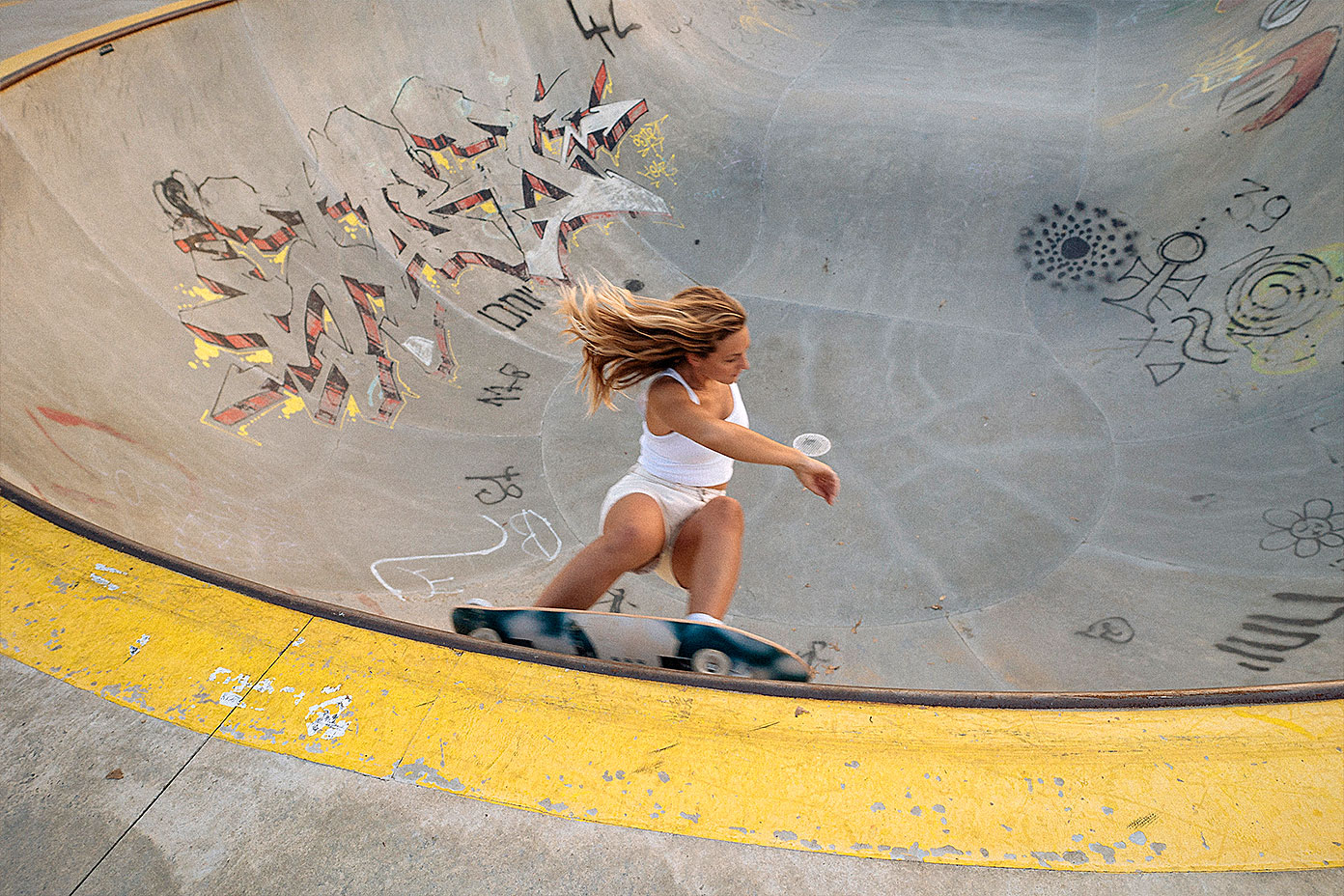
The classic skateboard emerged in the early 70s when surfers tried to find new ways to have fun on days without waves. However, the surfskate itself did not appear until the late 90s. Surfskate, as the name suggests, is a skateboard/cruiser designed to provide the same feeling and technique as riding a surfboard.By using a pivoting front truck, it offers the ability to perform tight turns similar to a surfboard and, most importantly, pump forward on the pavement without needing to push. It's even possible to tackle mild inclines by pumping on the board.
Many surf schools use surfskates to improve and better understand techniques that can be applied in the water. Surfskates typically have the shape of a cruiser skateboard with a flat nose and a wider tail. This design allows riders to stand with their front foot in roughly the same position while making turns or pumping forward.
Various brands manufacture surfskates, each with its own approach to the pivoting truck mechanism. Some are less pivoting and more stable for beginners, while others are more flexible to provide efficient pumping and tight turns.
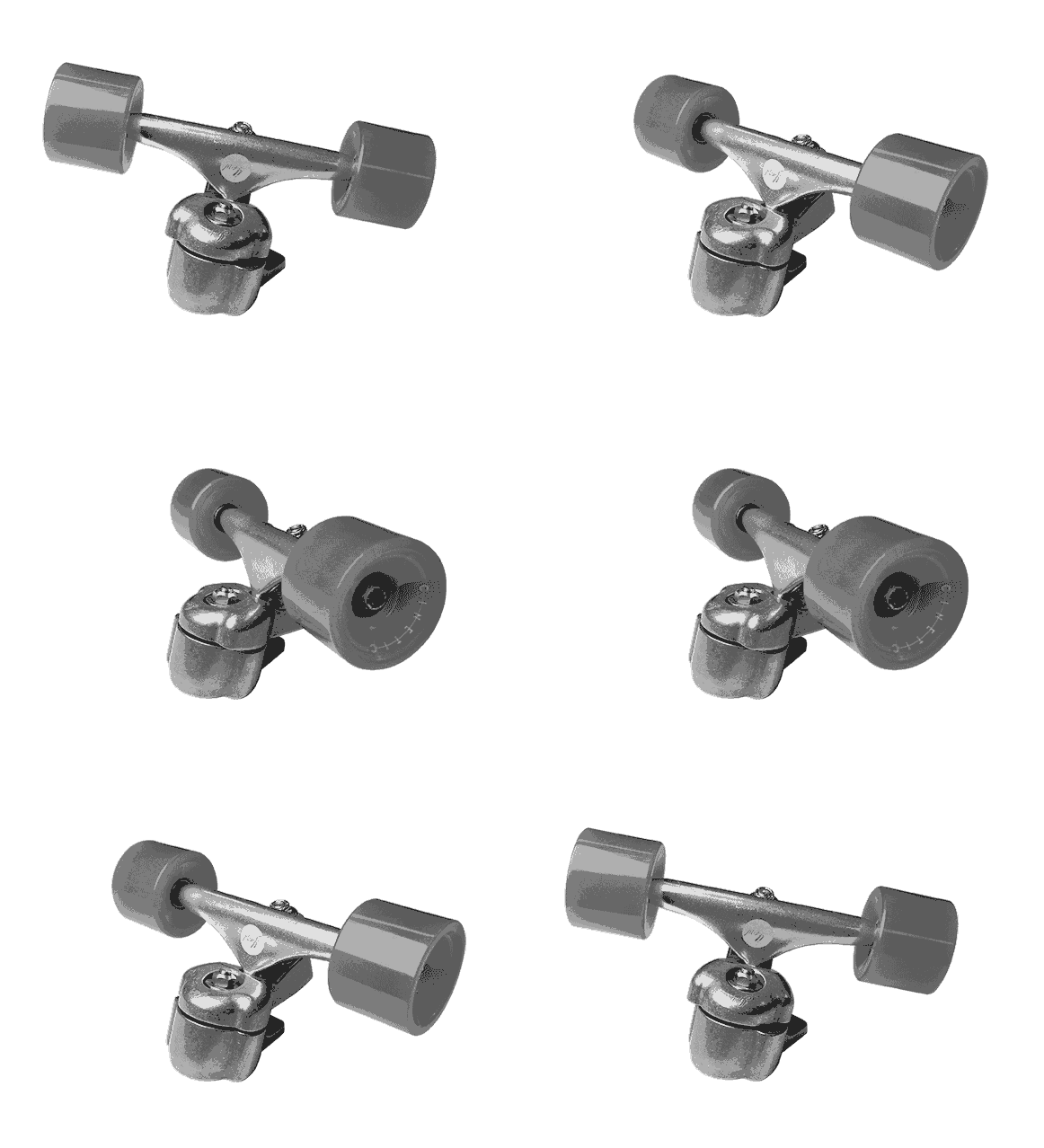 The image above shows Yow Surfskates' latest Meraki system, which is considerably lighter and better than their previous front truck system. Many brands have different solutions for how the pivoting truck works, even though the way to use it is more or less the same. Some are slightly less pivoting and more stable for beginners, while others are more mobile to provide effective pumping and tight turns.
 What is the Difference Between Surfskate, Skateboard, and Longboard?
The most significant difference is, of course, the pivoting front truck on a surfskate, which is much more maneuverable than on a skateboard or longboard. Riding a surfskate involves using both feet on the board and using your arms and upper body to pump forward instead of pushing with your foot for speed. Longboards are generally longer than surfskates and provide much more stability at higher speeds. Skateboards are more suitable for those who want to perform tricks, as surfskates are generally heavier and do not have an upward-facing nose, making them less suitable for the type of tricks performed on skateboards.Surfskate is ideal for those who want to practice surf techniques, travel shorter distances, or want something different from a skateboard or longboard. Try it out for yourself; it's a lot of fun! If you enjoy downhill skating at high speeds, a longboard is a better choice. If you prefer getting around in tight spaces, making tight turns, or having fun on a small, flat surface, then surfskate is the right choice for you.

Is Surfskate Only for Surfers?
Even though using surfskate can improve your surfing skills, you don't need to be a surfer or know how to surf to have fun on a surfskate. Since the technique differs from both skateboarding and longboarding, it's a fun way to get around and a challenge to learn. Besides being extremely fun, surfskate also provides a great full-body workout since you need to use both your legs and upper body to pump forward. Unlike traditional surfing, which can take a long time to learn, surfskate is relatively easy to pick up, and the learning curve is rapid.What Size Should Your Surfskate Be?
Surfskate lengths are typically measured in inches ("). They range from 28" to 40" depending on the model and brand. When determining the right size for you, consider several factors. A longer board naturally provides more standing space. However, you should also consider the board's width and wheelbase.Wider surfskates give you more power to make sharp turns or pump, allowing you to carve deeper into turns. Wheelbase is also an important factor to consider. It's the distance between the innermost mounting holes on the board. A short wheelbase offers a shorter turning radius and a more agile board, while a longer wheelbase provides a slightly larger turning radius and a more stable surfskate at higher speeds.
If surfskate is entirely new to you and you haven't been on either a skateboard or a longboard before, it's advisable to choose a surfskate that is slightly longer, wider, and has a slightly longer wheelbase to provide stability. However, if you're comfortable with boards under your feet and want to achieve quick turns, then a slightly shorter wheelbase is preferable.
Can You Get a Surfskate as Your First Board?
If you have never been on a skateboard or longboard before, it might be a bit challenging at first because a surfskate is not as stable as a regular board. However, with determination and practice, you are likely to do well. Just remember to choose a surfskate that is perhaps a bit wider and has a slightly longer wheelbase for stability. Start gently on flat ground and experiment.Don't forget protective gear! A good helmet, knee pads, wrist guards, and elbow pads can be wise choices to prevent scrapes and injuries. If you don't have skateboard protective gear already, you can find everything you need HERE.

Is Surfskate Suitable for Kids?
Surfskates are generally larger than regular skateboards, providing more standing space. This makes it easy for kids to stand on the board and maintain balance. The wheels on surfskates are also larger and softer, making it easier to navigate on rough asphalt or poorly maintained roads. However, keep in mind that, like all boards with wheels, finding balance and the center of gravity can be a bit tricky the first time you step on the board. Especially since the front truck is pivoting, it may feel a bit wobbly at first. Just understand how much weight to shift between your toes and heels when pumping for speed.The big advantage is that kids are generally more flexible and have a lower center of gravity from the start. Another significant advantage of surfskates is that you don't need inclines or a skatepark; all you need is a small flat area to learn and have fun. Surfskates are suitable for both kids and adults of most ages. Once you get a grasp of how surfskate works, you will develop your speed and turning technique quickly.
If you still feel unsure about which surfskate to buy or have other questions, please feel free to contact us. We are here to help you.
Surfskates
10 articles