Guide: Splitboard
Choosing the Right Equipment for Splitboarding
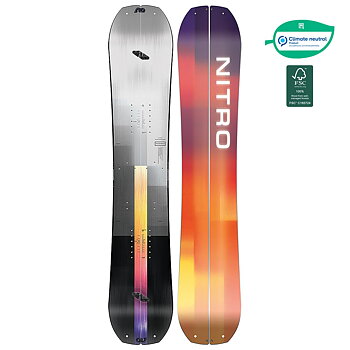
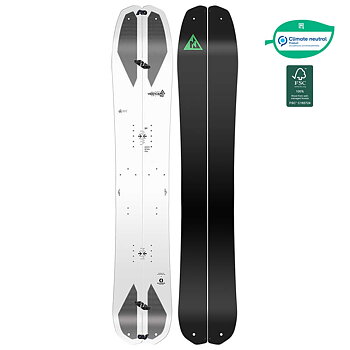
First and foremost, you should choose your splitboard as you would choose your freeride board because you will most likely be spending most of your time off-piste on your new splitboard. In our Snowboard guide, you will find a lot of useful information about this choice, so we suggest you read it before delving into your splitboard selection.What Do You Need?
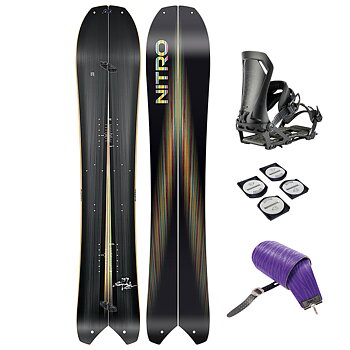
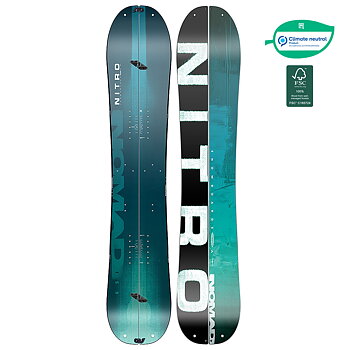
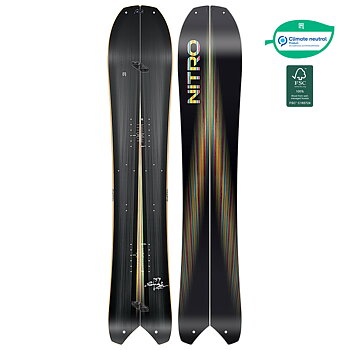
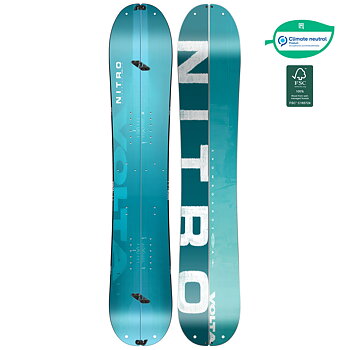
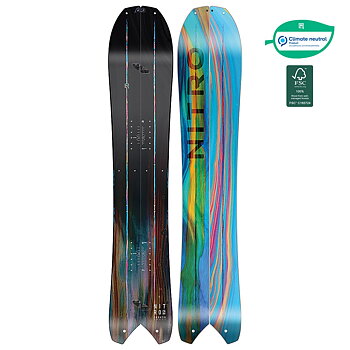
- Splitboard - A board that can be split
- Splitboard Bindings - Bindings designed for splitboards
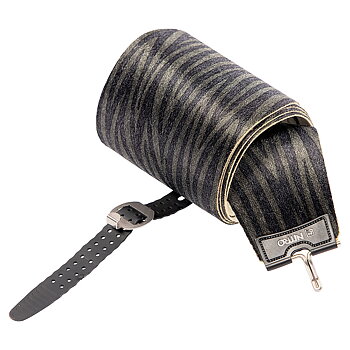
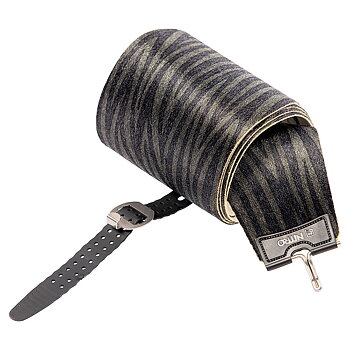
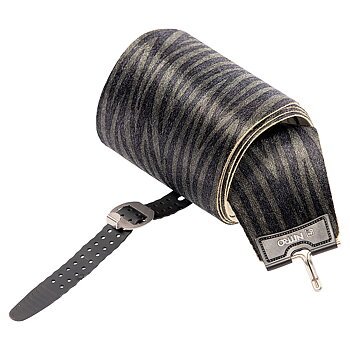
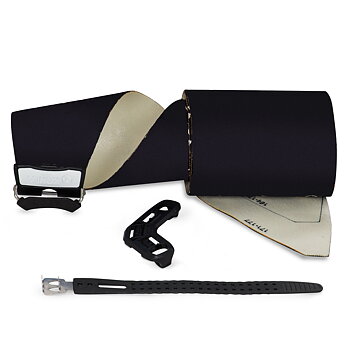
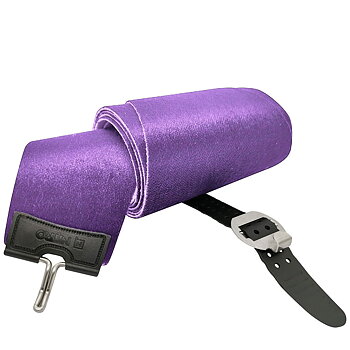
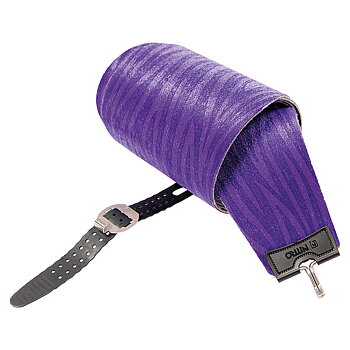
- Climbing Skins - Attachments that allow you to climb up
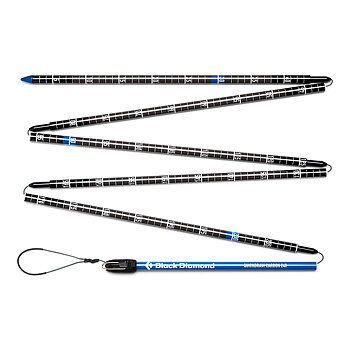
- Poles - Collapsible poles
- Backpack - With space for poles, skins, and more

Where will you use your splitboard? Where will you go, how far, and in what type of terrain will you be moving? These are important factors in your choice, and just like in the choice of a freeride board, you should consider how you want it to perform. Below, you will find some tips and advice for these choices.
Splitboard
Do you want it to be easy to handle and easy to turn, then you should focus on a slightly softer board that easily follows your movements even in rough terrain. If you want it to be stable for high speeds and exposed terrain, then you should choose a harder model. It's important to be honest with yourself about how you want to use your splitboard. A hard board requires more power and determination, while a softer one is lighter and easier to handle.
Do you want to be able to ride in both directions, or will you mostly ride in one direction? Splitboards with shorter swallow or fishtail tails make the board's tail maneuverable in powder, while the large nose supports the board and makes it float well, giving the board a surf-like feeling in the snow. However, it makes the board less suitable for riding switch. Regarding the board's length, the board's shape also plays a role here. If you choose a board with a short tail, you can also potentially go a bit shorter in length, as the nose usually carries very well on these models.
Does weight matter to you? Generally, more advanced splitboards have had more thought put into the choice of materials. This generally means that a more expensive and advanced splitboard is somewhat lighter, while a less advanced one is heavier. This can matter if, for example, you plan to go a long way or if you will need to climb with your splitboard on your backpack.

Bindings
There are several different splitboard binding systems on the market, and this is something that has seen a lot of development over the past decade. To get a basic idea of bindings, we recommend reading our guide to common bindings before moving on to choosing splitboard bindings.
Just like with regular bindings, flex plays a role in achieving the best results. Here, too, you can choose a softer or stiffer option depending on your preferred performance. A stiffer binding is suitable for those who want to use a lot of power and ride fast in exposed terrain, while a softer one is better for those who want a smoother and easier-to-handle setup. Here, price, weight, and flex often go hand in hand. The more expensive, the lighter and stiffer. Keep in mind that if you've chosen a stiffer board, you should also choose a stiffer binding, and vice versa, to create a good balance in your equipment.

Interface System
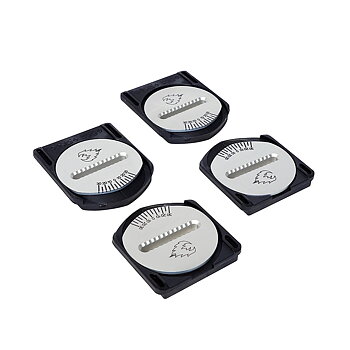
All splitboards in our webshop have the classic Voilé pattern. This fits virtually all types of splitboard bindings, especially those you find with us. Even though the binding system itself differs, the hole pattern is the same.
Binding Systems
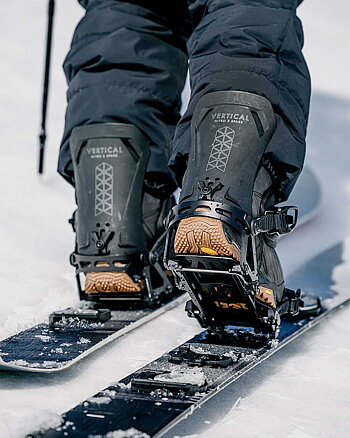
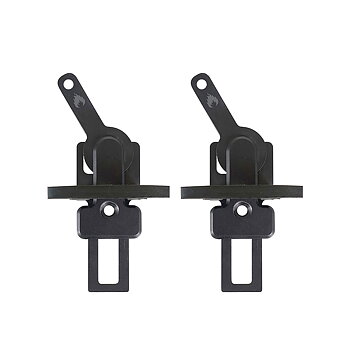
There are various systems on the market, and we have two of the ones we consider to work best. Nitro's own binding is built on the classic Voilé heel system where you mount two so-called pucks on the board, then slide the binding over and lock it in place with the binding's toe piece in riding mode. For touring mode, the binding's toe piece is attached to the board's touring mode interface and is easily locked in place by pushing down on the binding's toe piece. Union also has its variant where you mount pucks on the board, then twist the bindings into place and lock them with a latch. To switch to riding mode, they are attached to the board's riding mode interface using the same latch that locks them in touring mode.

Climbing Skins
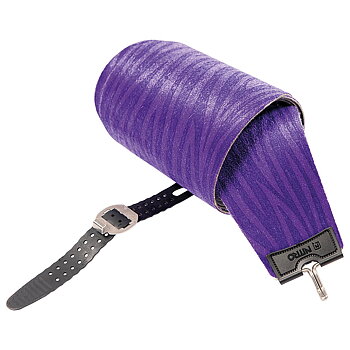
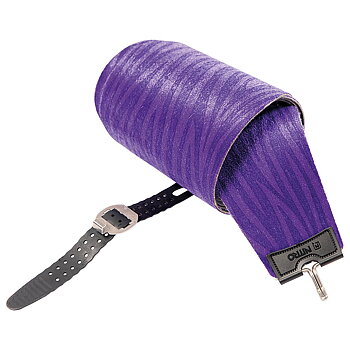
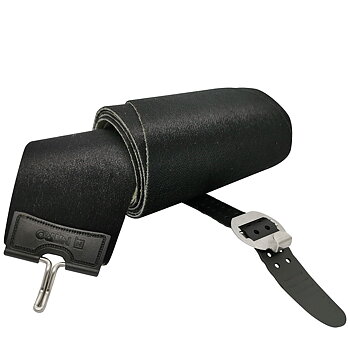
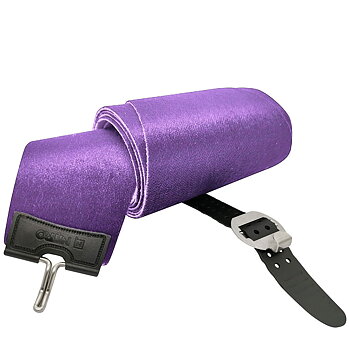
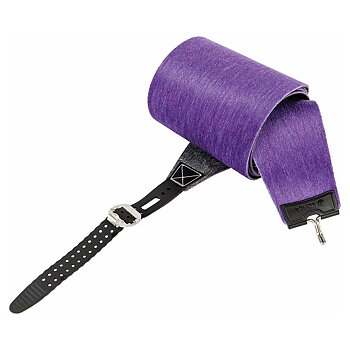
The climbing skins for our splitboards are sold both pre-cut with quick fasteners and as universal skins. The pre-cut skins fit each model, so make sure that the skin you choose matches your board. The universal skins need to be trimmed to fit your board, but you can easily do this at home.

Maintenance Tips
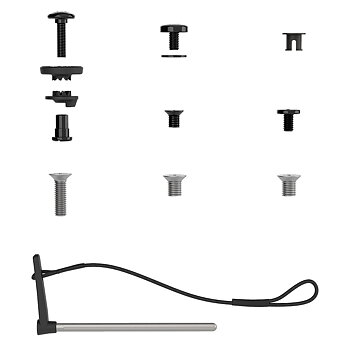
Your splitboard needs to be taken care of just like your regular snowboard, perhaps even a little more to reduce the risk of anything happening while you're out in the mountains. One simple tip that will save you any surprises on your trips is to make sure that all screws are securely fastened on the board and bindings before you head out. When you're high up on a mountain ready to drop in, you don't want any unexpected surprises because something isn't securely fastened.

Poles and Backpack
To easily transport yourself on your splitboard, you need a pair of compact poles. The requirement is that they can be folded up so that you can easily store them in or on your backpack when you're riding. We have several backpack models that are perfect for use with splitboards. They have compartments for poles, space for a shovel, transceiver, and probe.