
From Pro Snowboarder to High School Teacher
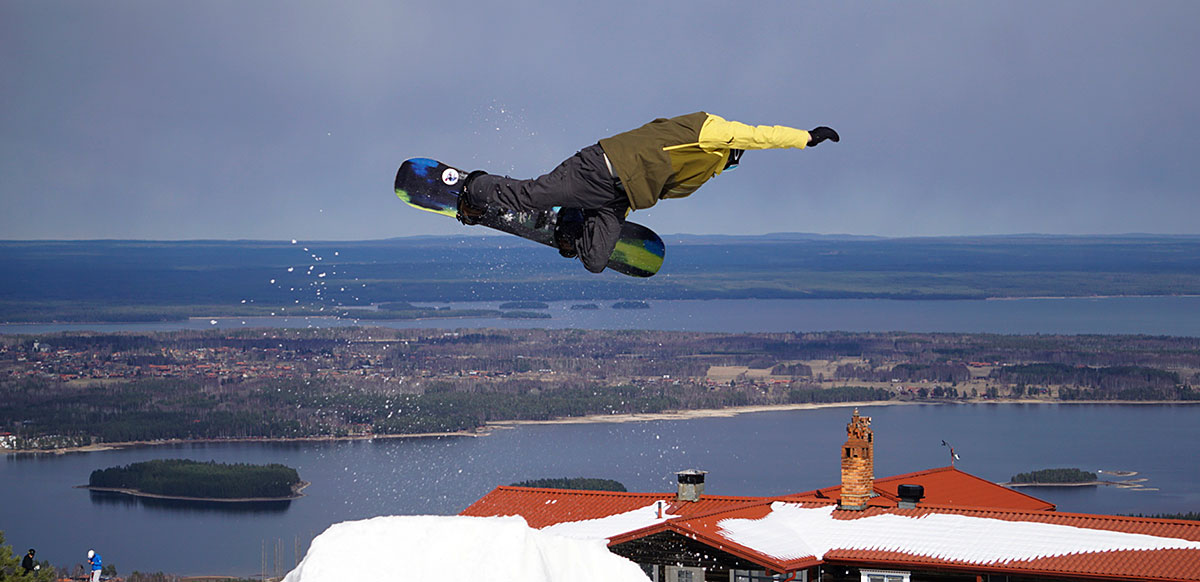
Pontus Ståhlkloo! For those of you who have been part of the snowboarding scene in Sweden, you might know about his long history in snowboarding. For others, here's a great interview with Pontus. From his first snowboard experiences in 1988 to winning four Swedish national championships in halfpipe, participating in the 1998 Nagano Olympics, achieving numerous victories in boardercross pro tours, and winning the overall World Cup title in boardercross 2000/2001, Pontus now works as a coach for students at the snowboard high school in Malung.
Hello Pontus, how's it going?
Hey, thanks, everything's going well.
You have an impressive history in snowboarding in Sweden. Tell us a bit about how it all started and your early years on the board?
Well, initially, I was skiing from around 7 years old until I was 14. I'm old enough that snowboarding wasn't really a thing in Sweden when I was young. Around the same time I tried skateboarding for the first time, I started seeing some pictures in the magazine "Åka Skidor," and especially the classic cover with Matti Notlind piqued my interest. Some older locals came back from a season in Sälen and were riding boards, and when I saw snowboarding live, I was instantly sold.
I convinced myself to rent a snowboard for a day (a Burton Elite 150 with a swallow tail) in Tandådalen in the spring of 1988, and with tips from a column in "Åka Skidor," I managed to make my first turns. The advice to "lean on the front foot and slide with the back foot" stuck with me forever. I managed to get one more day in Tandådalen before the season ended, and the following summer, I earned around 3700 SEK that went entirely towards a new snowboard. A Burton Cruiser 165, worth every krona as it turned out. The next year, I got my first Craig Kelly board, and to this day, I haven't felt such a significant difference between two boards. The Cruiser was slow, heavy, with a core made of chocolate bars (?!) and bindings shaped like drainpipes. Craig Kelly's board was centered, light, had a wooden core, and Burton's new freestyle bindings.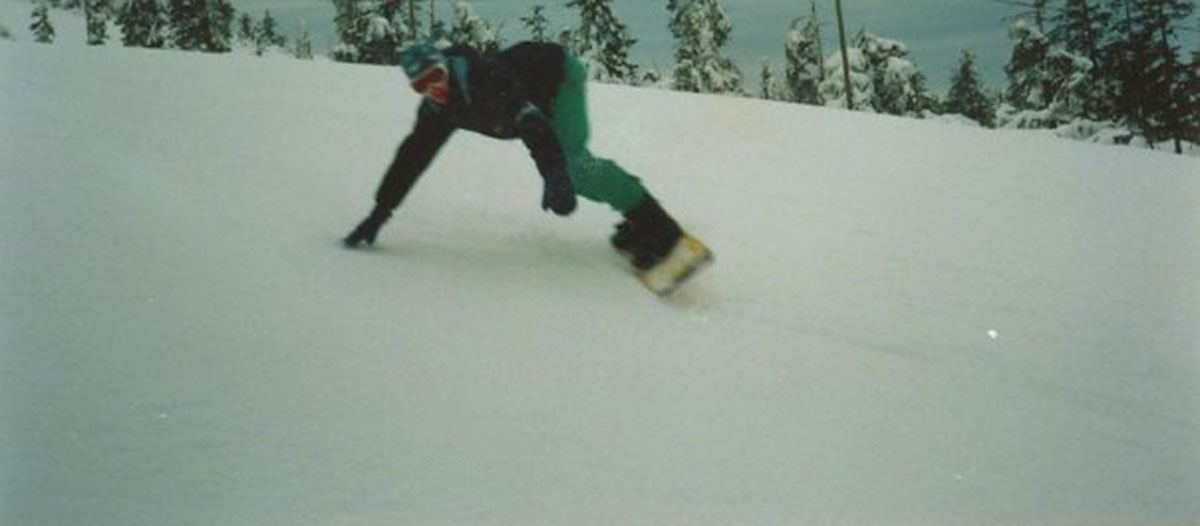
It didn't take many years before you got your first sponsor after attending the classic "Craig Kelly Camp" in Riksgränsen. How did that happen?
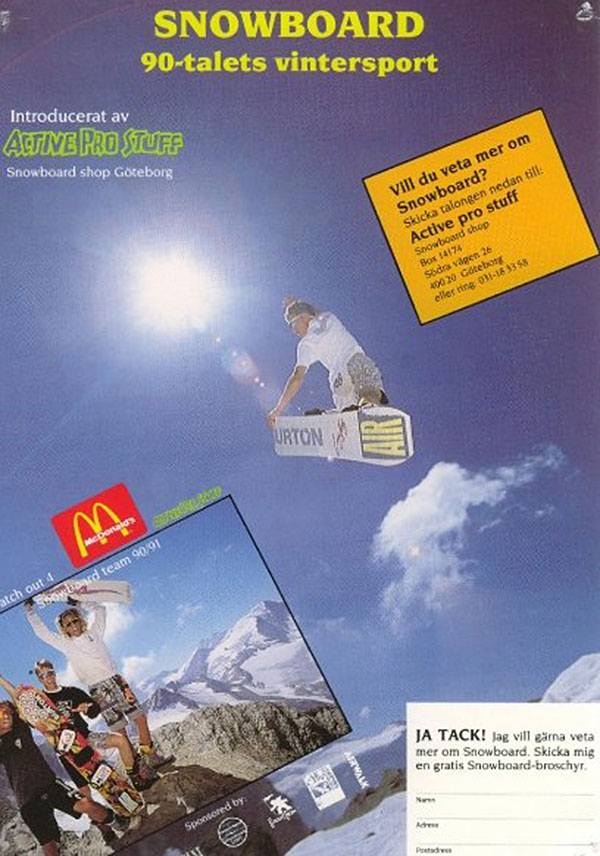
Honestly, I'm not sure how Andreas at Active Pro Stuff found out that I was up-and-coming. I did my first competitions during the season before and performed well. I won, among others, the junior halfpipe Swedish Nationals in Trillevallen. Anyway, I came back from the camp in Riksgränsen and received an offer to ride for the newly started Pro Stuff team, along with Henrik Wadsten and Niklas Donaldsson. Free equipment and as a starting bonus, a snowboarding trip to Kaprun with glacier riding at Kitzsteinhorn. Not something you'd say no to!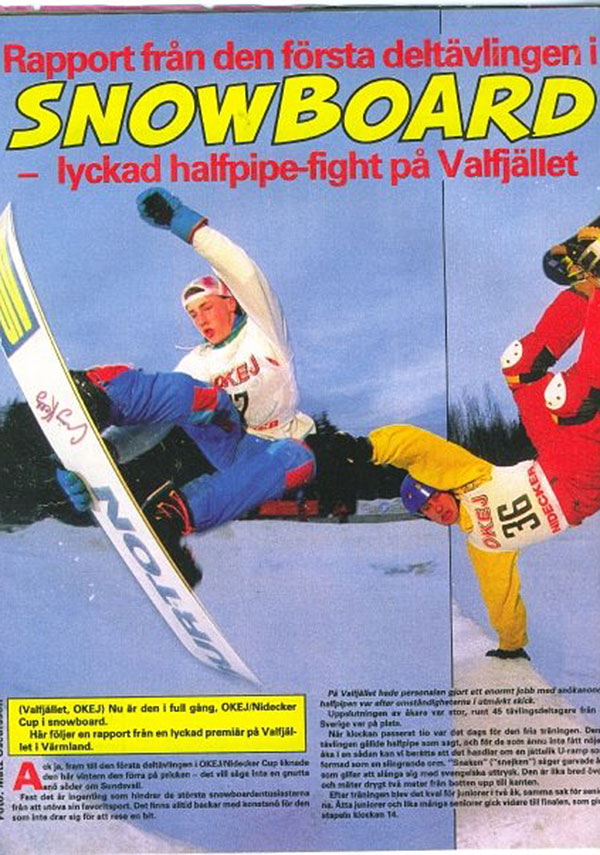
Competing was a significant part of your snowboarding career, but how did you transition from halfpipe to boardercross?
As I mentioned, I did a lot of halfpipe riding from the beginning, and of course, it escalated towards the 1998 Nagano Olympics. Around 1995/96, boardercross emerged as a concept, and being curious, we naturally gave it a try. It was fun and unexplored at first, but the competition format seemed to suit me as a fairly all-around rider. I eventually participated in all boardercross events that took place in the same locations as the halfpipe tour, and somewhere in the back of my mind, a small seed began to sprout. I qualified for the Olympics on the famous hair, and the focus was on that, but even before the Olympic season began, the plan was to participate in some boardercross events as a test in the USA after the Olympics.
Henrik Jansson and I went to two competitions on what was then called the Swatch Boardercross Tour, and after I reached the finals in both competitions and secured a third-place finish, the decision was made. I told my sponsors (K2 Snowboards) that it was now 100% boardercross, and luckily, they were completely okay with that. It was definitely a fresh start to my competitive career, and for the following four years, there was a new world tour to follow. During those years, I achieved my biggest successes as a snowboarder with several wins and podium finishes in both pro and FIS tours. I even snagged an X-Games bronze and the overall World Cup title during those years.
Did you stay injury-free during your most active years?
Well, reasonably so. Mostly minor aches and some stretched ligaments and such. But when I started with boardercross, there was a bit more action, so to speak. I had a crash in Laax once that resulted in a fellow competitor's steel edge digging a deep gash in my thigh. Thirty stitches, four days in a Swiss hospital, and six weeks of rehab were the result. In 2002, I landed short on a substantial jump during a major competition in Japan, and a fractured vertebra actually ended my professional snowboarding career. Lucky in the sense that spine fractures can end much worse...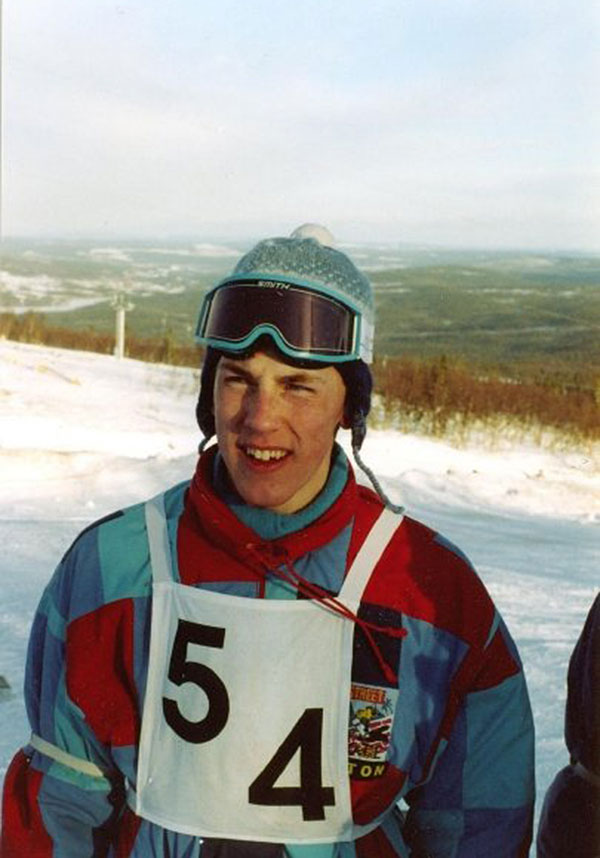
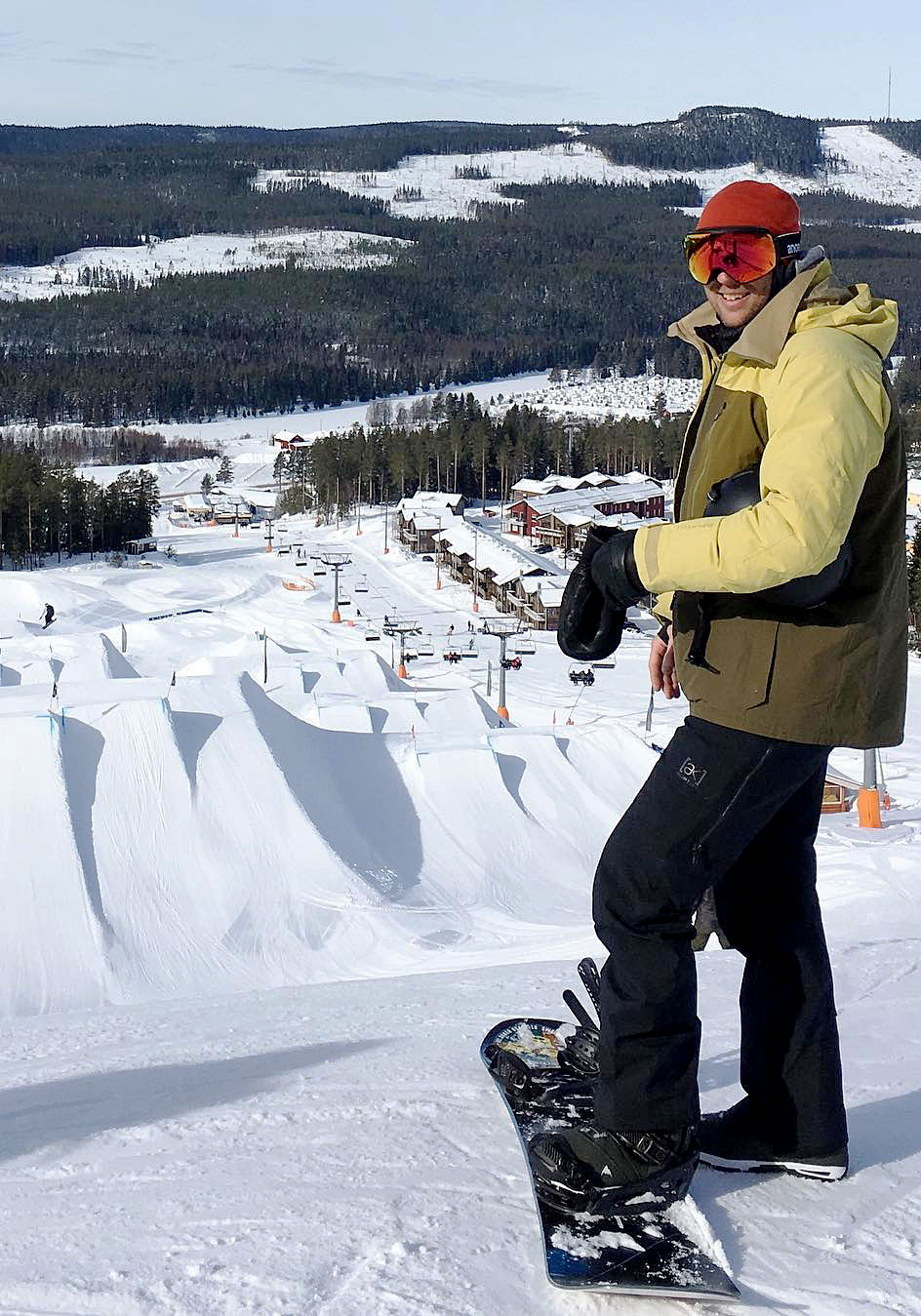
As early as 2004, you became a teacher at the snowboard high school in Malung and have coached many of Sweden's best riders of all time. What does it take to excel as a rider today?
Similar to all other high-level sports, dedicated training in the sport you want to excel in is necessary. For snowboarding, given how it has evolved, it's now a big advantage if you're acrobatically inclined and have moved your body in many different ways throughout your upbringing. It might sound cliché, but it's important to remember that snowboarding offers many different career paths. Aiming for acrobatic park riding and the Olympics is just one aspect of the snowboarding lifestyle.
What does a typical working day look like for you?
I clock in and set up the coffee thermos on the table! Nah, not quite like that. During the dryland season, we handle all the training with the students. Gym, running, trampoline, and plyometric training are the cornerstones. We plan camps, competitions, etc. We also discuss "regular" school matters during meetings.
During the season, it's riding (or correctly, training!) in the nearby slopes that offer the best conditions for the day. It's usually Tandådalen and Trysil before Kläppen's park opens. We have some fixed elements we want to cover during the season, like basic carving technique, etc., but no two days are the same as we constantly adapt to weather, wind, jump shapes, rain, snow, skill levels, and group motivation, etc.
In recent years, you seem to be drawn to various Banked Slalom competitions around the world, and you've placed really well in the most classic competition, Mt. Baker Banked Slalom. What attracts you to these events?
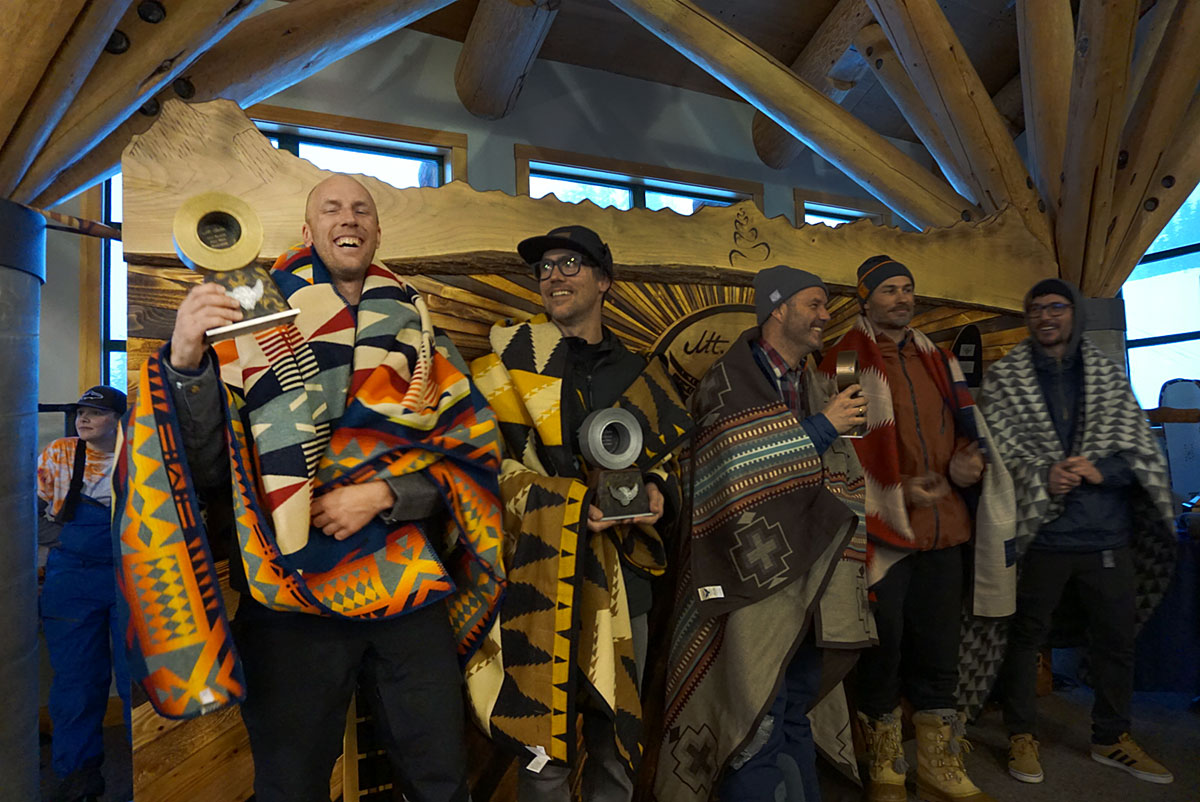
Well, the concept of banked slalom is just awesome. People of all ages and skill levels compete in the same "arena" on equal terms, and it leads to a lot of enjoyable snowboarding camaraderie. If I want to be a bit more philosophical about it, for me, the rhythm and power of the course are as important as the actual result. Just look at how the course at Tenjin Banked Slalom in Japan naturally flows with the terrain, and you'll realize it's fun to ride. Of course, success is exciting as well, and winning at Mt. Baker was a truly magical experience.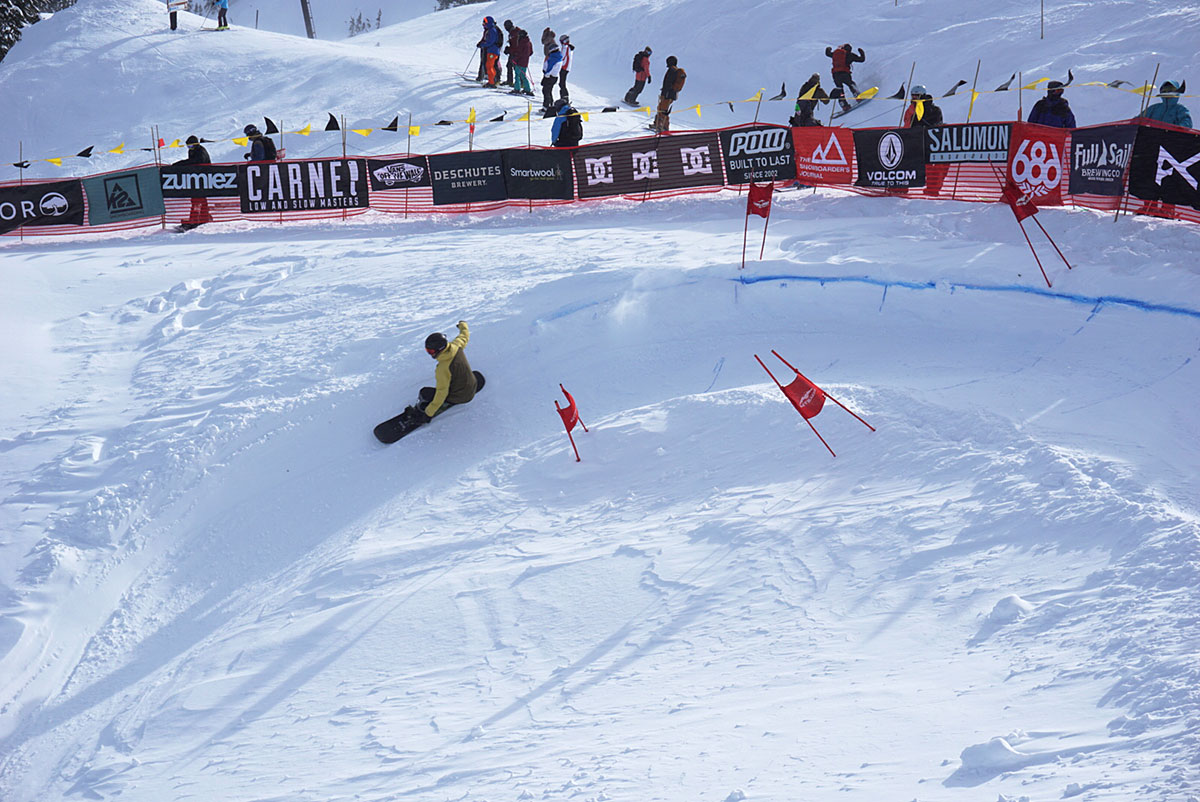
Snowboarding and board sports are your thing, and you also surf and skate a lot. If you had to choose: Maldives or powder in Japan?
Ah, a tough choice... but I'd still choose surfing in the Maldives for the simple reason that I get quite a few decent powder days as things are now, and surfing is more exclusive and harder to come by. In both cases, however, having enthusiastic and enjoyable company to share the experience with is increasingly important.
You have a great snowboarding club, "Gesundteam," in your home slope Gesunda. Have you seen any growth in younger snowboarders in recent years?
Thanks, "shredding since 1994." The club has been around for a while and has seen snowboarding interest come and go. But a few years ago, something happened in the slope. It felt like more kids were snowboarding than skiing, and we take some credit for that because we've been organizing free snowboarding trials for nearly 10 years. Almost all kids (well, almost all) want to try snowboarding, so it's about making that first-time experience as accessible as possible.
Do you have any tips for someone who wants to become a better snowboarder and start competing?
Definitely ride a lot all the time and don't be afraid to try both competitions and attend camps. Definitely check out the Rookie Camps that are held a few times a year; there you'll meet others who are excited about snowboarding. If you're mostly on your own in your local slope, there are also many good instructional videos on YouTube to get inspired by.
About Pontus Ståhlkloo
Born:
1973
Resides:
Sollerön, near Mora
Started snowboarding:
1988
Last seen snowboarding film:
Watched the Nitro film "Offline" this morning
Snowboarding days last season:
I don't usually count snowboarding days, but I had 100 in 2018; it was an extraordinary year. But around 80, I'd say. 20-40 days of surfing...
Snowboarders who inspire you:
It varies depending on details. Arthur Longo for stylish banked riding and transfers, Terje Håkonsen for keeping it going despite age, Kix and Dash Kamp for super aggressive banked riding. Of course, Nicolas Müller for style, Ashley Call for sick pow surfing, and so on. The list can go on, and I'm constantly inspired by those I ride with day-to-day, both at home on Gesundaberget and the students at the school.
Goofy or regular:
Haha, regular on snowboard, surf, and powsurf; goofy on a skateboard.
Thanks a lot for taking the time, Pontus! Hope to see you on the slopes this winter.
We'd also like to encourage all readers to check out Pontus' Instagram: