
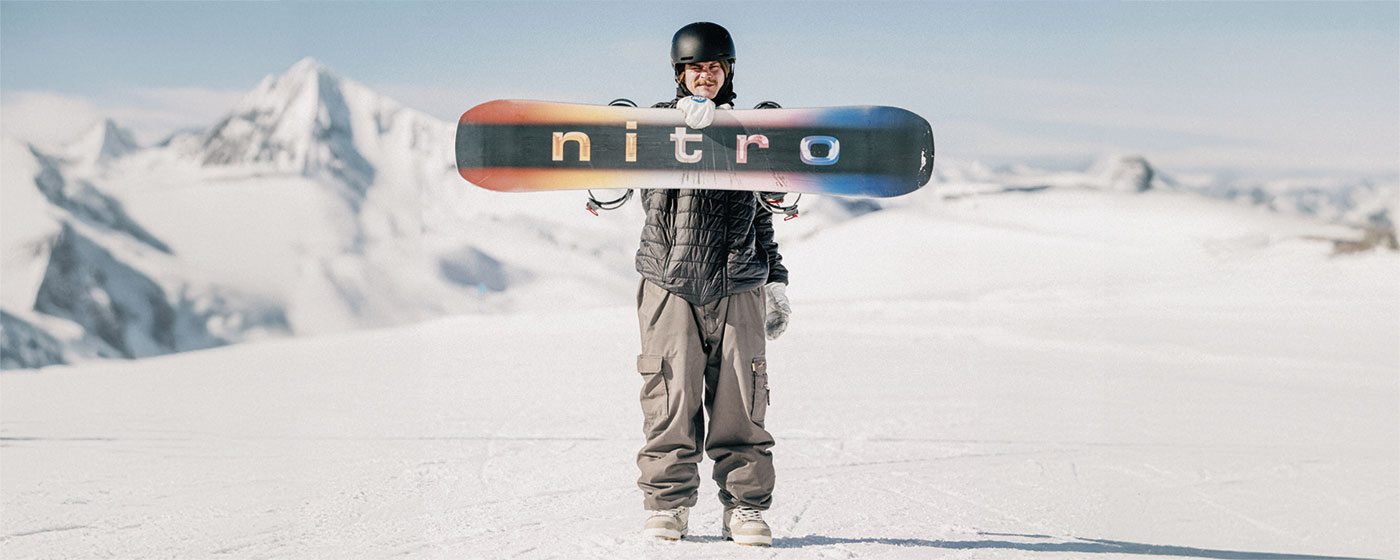
Interview with Zenja Potapov
Also known as @snappyboarder
We sat down and had a chat with our team rider and friend Zenja Potapov aka Snappyboarder aka big boss. A beloved child has many names. Read our interview first and then check out Zenja's Instagram. He snowboards like no one else.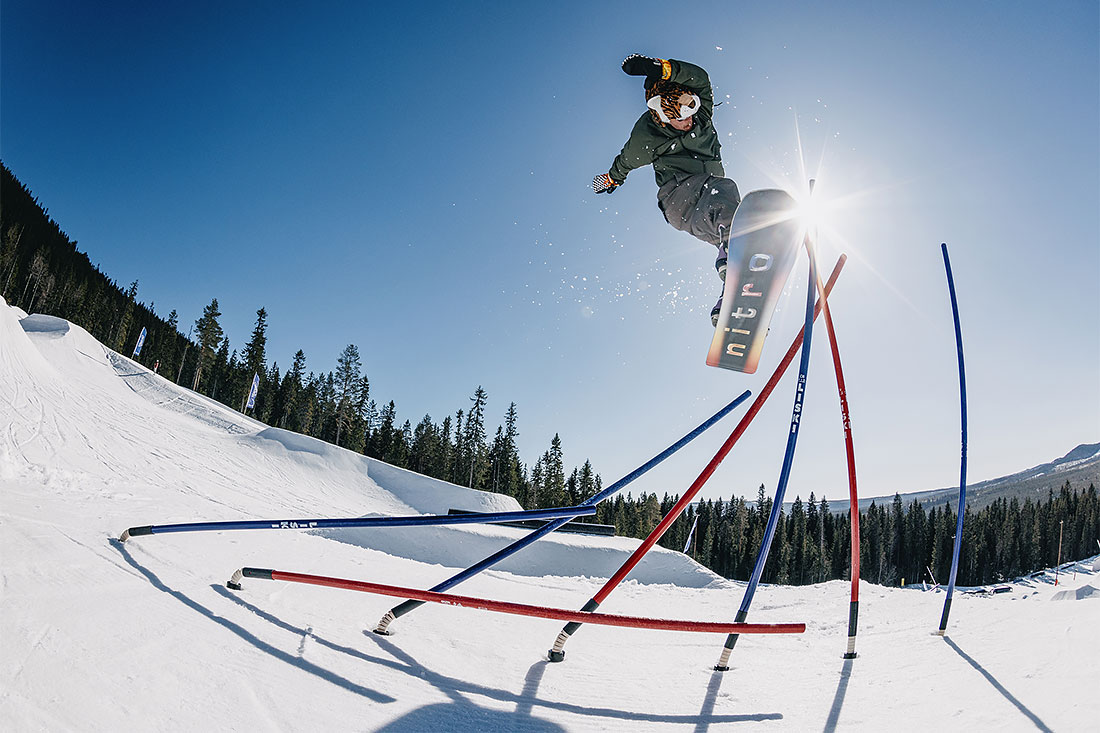
Tell us how you first got into snowboarding. What attracted you?
There were many things that attracted me. But I think it was when I was young, around 9 years old, I saw someone walking with a board under their arm and thought it looked cool. I also watched YouTube videos that attracted me. I started sliding down slopes sideways without a snowboard. I felt a thrill building up inside me when I did this. Then I asked my parents if they could buy me a board. They never did because they wanted me to do well in school, which I didn't. Eventually, I bought a board with my own money when I was around 13 years old. That's when I started snowboarding, and I still do today.
Can you remember a specific moment when you realized snowboarding was more than just a hobby?
I think from the very beginning I realized this was what I wanted to do in life. It also helped me find out who I wanted to be. Self-esteem was something I had to search for, and snowboarding helped me find it somehow.
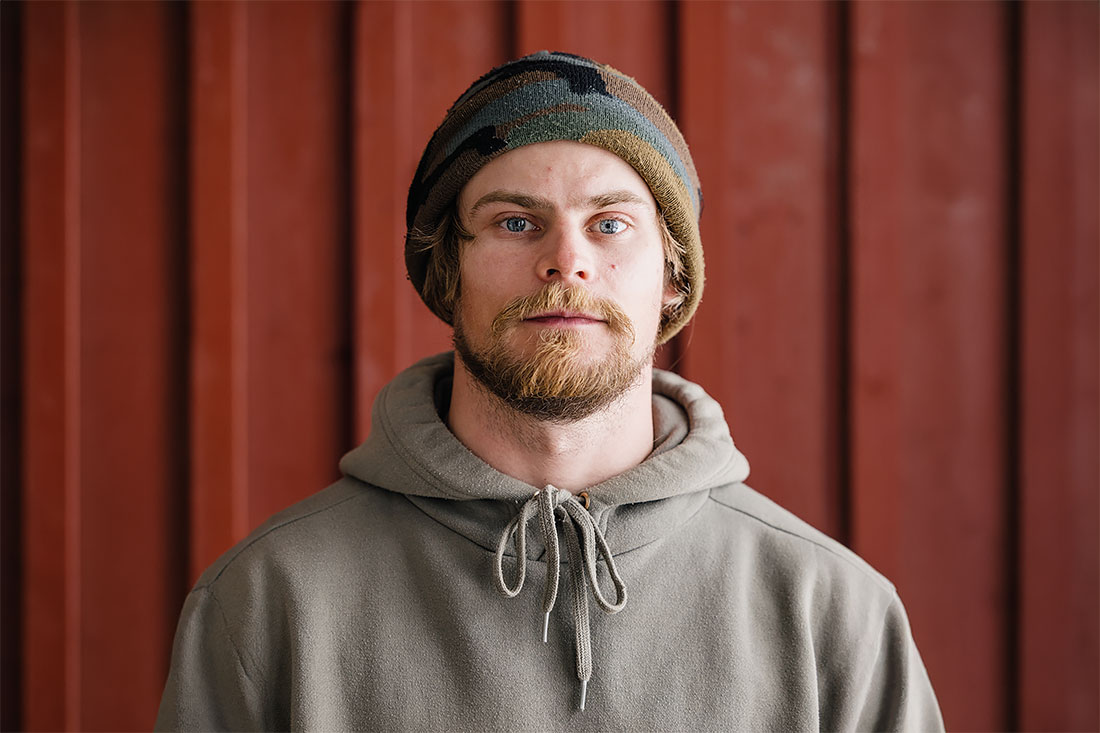
Snowboarding requires both mental and physical strength. Can you share a time when you felt significant doubt or fear, and how you overcame these feelings?
Of course, there have always been ups and downs during the process, but it was just an opportunity to learn more about what you wanted to achieve. Nothing has stopped me. Instead, I became more motivated by the setbacks; you just want to get better. Every time I felt it wasn't working, I wanted it to work, and you just have to accept it; it's part of the process.
Handling injuries is a challenge for all snowboarders. Can you tell us about an injury situation and how it affected you?
There are both physical and mental injuries during the process. Fortunately, I haven't had many physical injuries. Just a few minor muscle and joint injuries, and a slight arm fracture early in my career at 13, so it hasn't affected me much. Mentally, it was becoming so dependent on snowboarding that I didn't know what to do if I couldn't ride. Snowboarding was all there was. So that's a type of mental injury that I had to heal. I had to realize that snowboarding isn't to hide from reality. It should be fun; it should heal wounds, not create new ones. But wounds are part of the process in snowboarding, and you mustn't forget that. Especially when you want to get good at it.
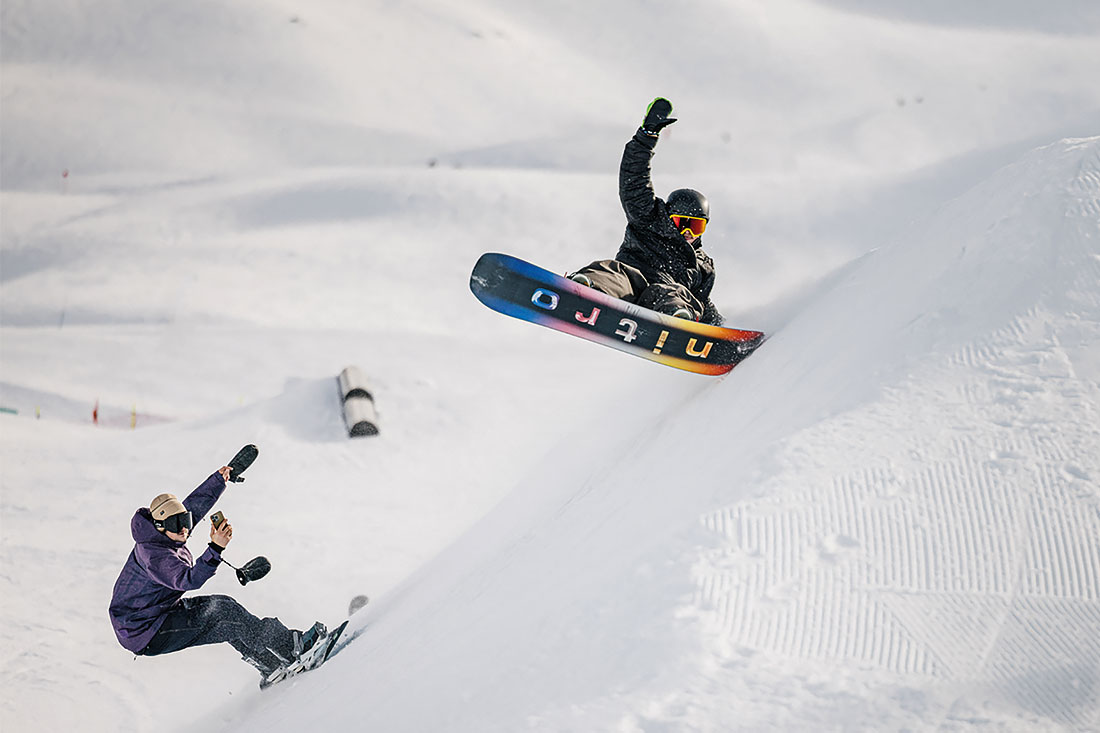
Looking back on your career, what would you say is your "highest achievement"?
It was probably a few years ago when I could choose what I wanted with snowboarding. I could create my own tricks and be myself. I didn't feel any "must," I didn't have to be like others. That was the biggest thing for me - accepting that. I stopped caring about what others thought. Now I keep learning to get better at it, which isn't easy, especially when there are always people watching you and wanting you to do something special. But you get better over the years.
What is your biggest goal right now?
I think my biggest goal right now is to find peace within myself and be healthy, have a healthy lifestyle with physical and mental function. To feel better as I get older. I want to create more; I think it's all about creating. I don't want to be a "consumer"; as I said, I want to create more and try to inspire others more. To see if it can give others something, it gives me a lot to see others be inspired by me because life is short.
Have you had any moments where you feel your development has stalled? How do you overcome these moments, what drives you forward?
I'm afraid of being normal, afraid of having a regular job. It also comes from childhood; you wanted to be accepted. And now, after doing it for so many years, it becomes part of everyday life. It's hard to return to the normal. Or what is normal, really? I think it's just a fear of being normal. I want to have an extraordinary life. I want to go on adventures; life should be an adventure. So that's the motivation. I want to take advantage of the gift we've had from the very beginning. Our brains and bodies. You can do anything with it, as long as you have an idea.
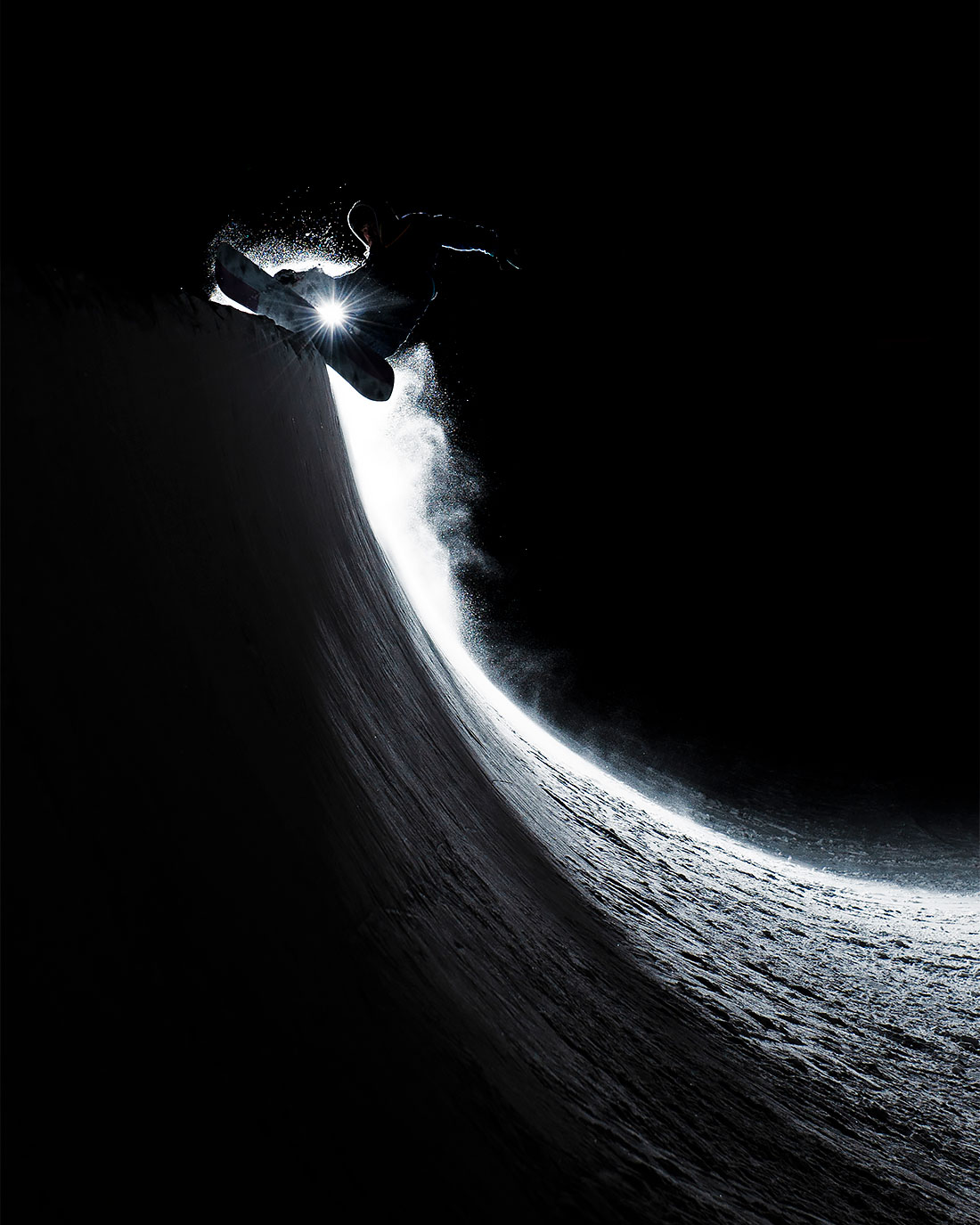
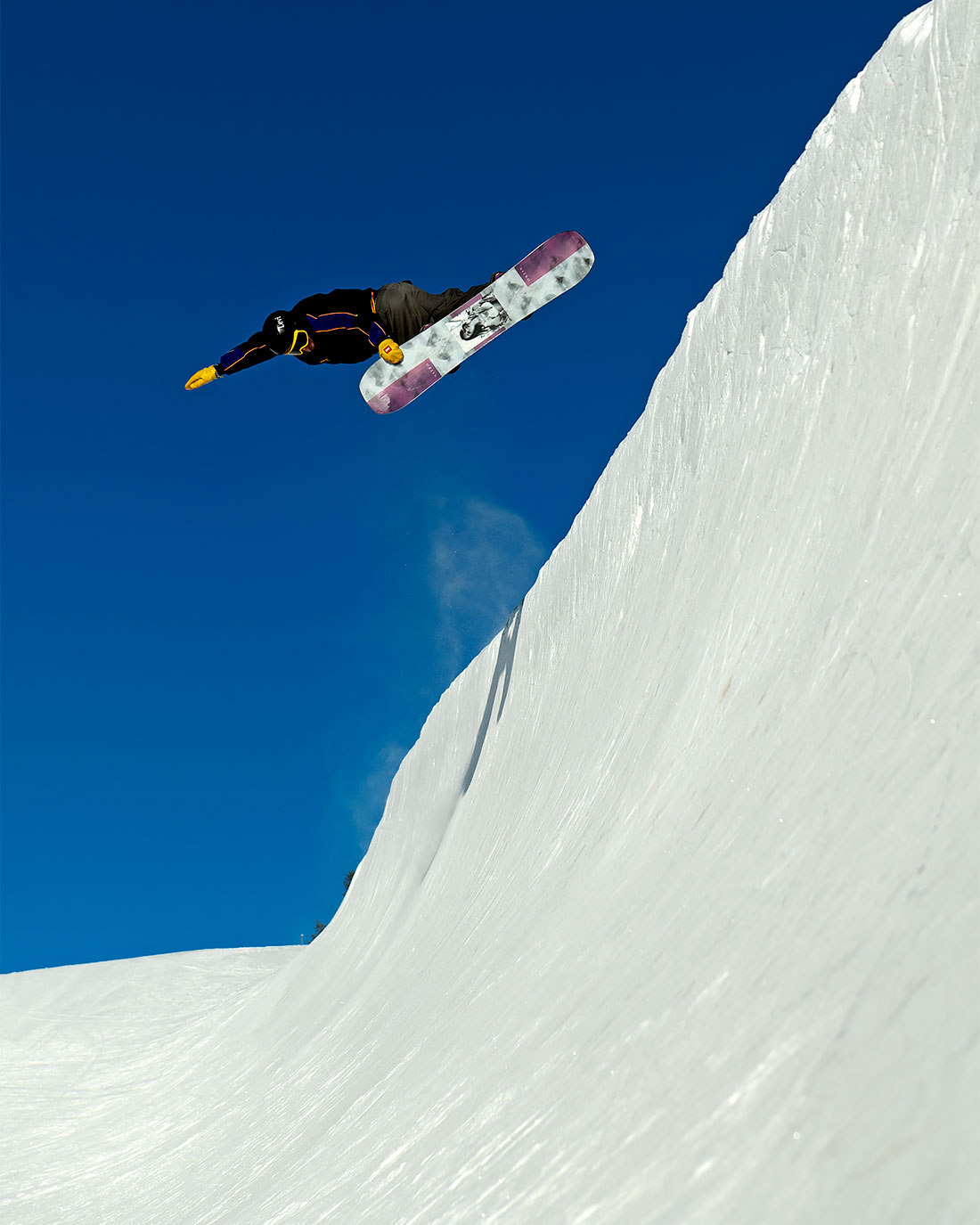
Snowboarding involves both individual performance and community. Can you talk about how the snowboard community has supported your career?
It's probably the most important thing, the people you have around you. And also, because social media is so big nowadays. You appreciate that part too, everyone who's there and cheers you on. You get a lot of boosts from followers, the community, and friends. Those who are always there for you and support you, I'm also there for them. I appreciate those people in my life. So it's very important to me.
What advice would you give to those who dream of following in your footsteps in snowboarding?
To realize that you can get through almost anything. As long as you dare to see the light at the end of the tunnel. If you have a positive and optimistic mindset, you should solve most things. As long as you don't think about the negative, because that's what destroys everything. So I think it's important to be optimistic, even if it's very, very difficult sometimes; the most important thing is to try at least!
Follow Zenja on Instagram:
 @snappyboarder